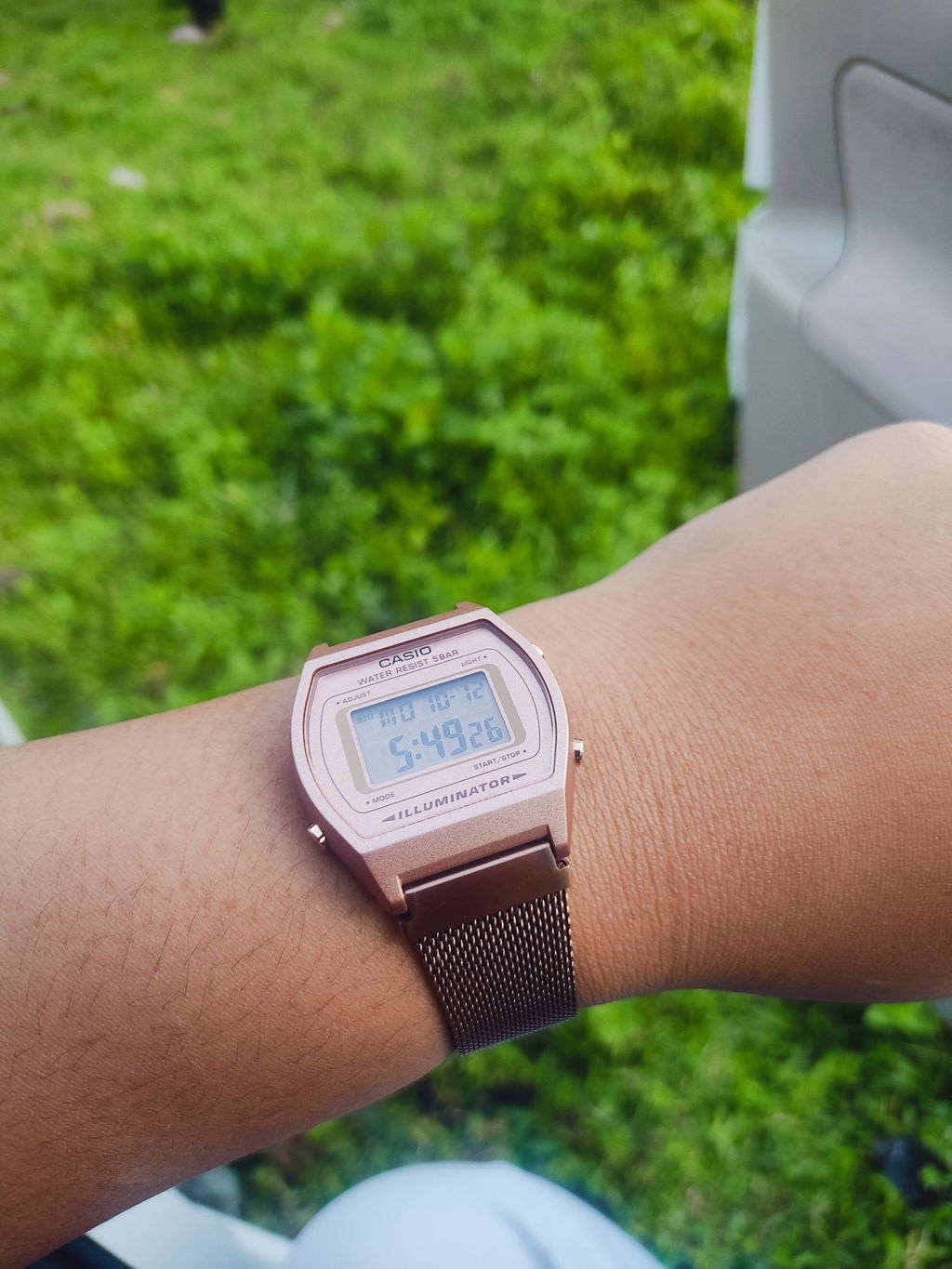
The Study of Timekeeping
Horology is the art and science of measuring time and crafting instruments to record it. Derived from the Greek words "hōra" (hour) and "logia" (study), horology encompasses the design, construction, and maintenance of timekeeping devices, from mechanical watches and clocks to advanced atomic timekeepers.
The Evolution of Horology
The history of horology dates back thousands of years, with ancient civilisations using sundials, water clocks, and hourglasses to measure the passage of time. The advent of mechanical clocks in the 14th century marked a pivotal moment in horology, followed by the invention of the pendulum clock in the 17th century, which greatly improved accuracy. Today, horology represents a blend of tradition and innovation, with advancements in quartz and atomic timekeeping pushing the boundaries of precision.
The Craftsmanship of Horology
Horology is not merely a technical discipline but also an art form. Skilled horologists invest years mastering the intricacies of watch and clockmaking, creating instruments that are both functional and beautiful. From intricate complications to minimalist designs, the field reflects a harmonious blend of engineering and aesthetics.
At Just In Time, we honour the rich heritage and meticulous craftsmanship of horology, offering a curated selection of timepieces that embody excellence and innovation in timekeeping.
Frequently Asked Questions (FAQs) for Horology
-
What is the precise Greek derivation of the term Horology?
The term Horology is derived from the Greek words "hōra" (hour) and "logia" (study). -
What defining moment in Horology occurred in the 14th century?
The advent of mechanical clocks in the 14th century marked a pivotal moment in the history of Horology. -
The history of Horology includes ancient instruments; what are three examples used by early civilisations?
The history of Horology includes ancient instruments such as sundials, water clocks, and hourglasses. -
How is Horology defined, beyond the simple measurement of time?
Horology is defined as the art and science of measuring time and the crafting of instruments to record it. -
What scientific advancement in the 17th century greatly improved the accuracy of timekeeping in Horology?
The invention of the pendulum clock in the 17th century greatly improved the accuracy of timekeeping in Horology. -
What blend of disciplines does the modern field of Horology represent?
The modern field of Horology represents a harmonious blend of engineering and aesthetics. -
What two cutting-edge advancements are currently pushing the boundaries of precision in Horology?
The boundaries of precision in Horology are currently being pushed by advancements in quartz and atomic timekeeping. -
What does the field of Horology encompass besides the simple design and construction of timekeeping devices?
The field of Horology also encompasses the maintenance of timekeeping devices. -
What two qualities are combined in the artistry of a master horologist's creations?
The creations of a skilled horologist are instruments that are both functional and beautiful. -
What range of devices, from traditional to advanced, does the study of Horology cover?
The study of Horology covers a range of devices, from mechanical watches and clocks to advanced atomic timekeepers. -
How does Just In Time honour the rich heritage of Horology?
Just In Time honours the rich heritage of Horology by offering a curated selection of timepieces that embody excellence and innovation in timekeeping. -
In what way do timepieces, from simple to complex, reflect the craftsmanship of Horology?
Timepieces in the field of Horology reflect craftsmanship through elements ranging from intricate complications to minimalist designs.